


Neurofeedback

Neurofeedback
Working with the brain’s rhythms to support change and regulation.
Neurofeedback is a non-invasive approach that supports your nervous system by encouraging new, more regulated patterns of brain activity.
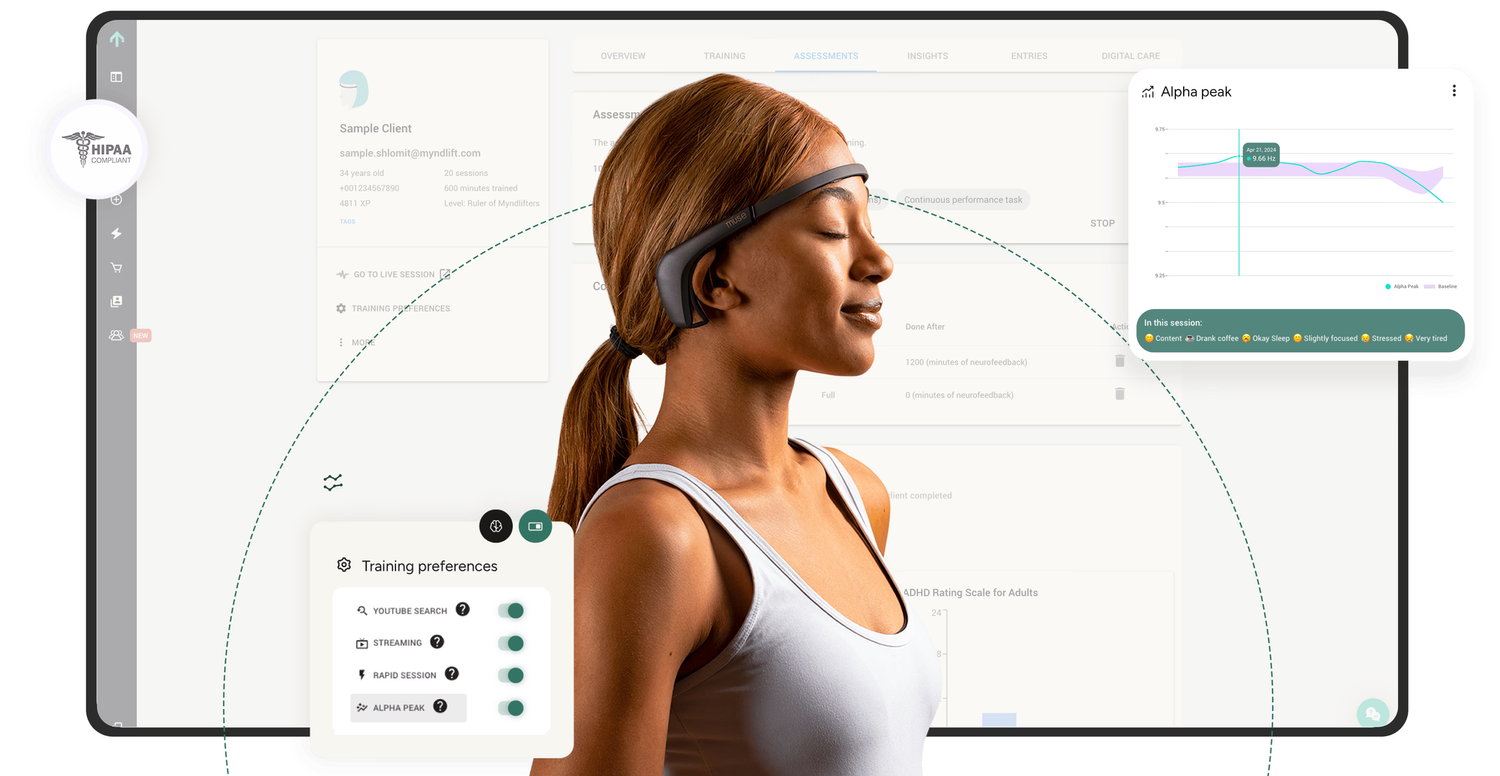
What is Neurofeedback?
Neurofeedback is a gentle, non-invasive way to support your brain in learning new, healthier patterns. It’s not just about shifting how you think or feel — it works on a deeper, biological level to help your nervous system function with more ease.
Our brains are incredibly adaptable. With the right kind of input, they can rewire and reorganize themselves — a process called neuroplasticity. Neurofeedback helps guide that process by offering the brain real-time feedback, encouraging it to move out of old, stuck patterns.
Sometimes, words alone aren’t enough — especially when you're dealing with anxiety, ADHD, or chronic stress. You can’t just will yourself to “focus” or “calm down.” Neurofeedback gives your brain information in its own language (brainwaves), helping it learn to settle, shift, and respond in new ways — without having to think your way through it.

Why Neurofeeback?
People often try neurofeedback when they feel:
❋ Worn down by anxiety, burnout, or chronic stress❋ Like their thoughts are racing and their body won’t settle❋ Disconnected — from themselves, or from what they want❋ Curious about something more body- or brain-basedYou don’t have to do anything during the session. You just sit back, and your brain takes it from there.
What Can Neurofeedback Support?
Stress, Anxiety & Mood
When your brain is stuck in go-go-go mode, it can be hard to settle — even when you know you're safe. Neurofeedback helps the brain shift out of overdrive and into calmer rhythms, supporting emotional regulation, ease, and rest. It can be useful for anxiety, depression, PTSD, and panic — or just feeling chronically on edge.
Focus, Attention & Executive Functioning
For folks with ADHD or other attention-related struggles, neurofeedback can help the brain find a more balanced rhythm — one that supports focus, follow-through, and mental clarity. It’s not about “fixing” anything, but about helping the brain access more flexibility.
Chronic Pain & Nervous System Dysregulation
Chronic pain doesn’t just live in the body — it’s also tied to how the brain and nervous system process signals. Over time, the brain can get stuck in pain loops, continuing to send alarm signals even when there’s no new injury. Neurofeedback can help calm this reactivity and support the brain in creating new, less reactive pathways. It’s not a magic fix, but for many people, it brings some relief — and a greater sense of control over how they feel.
Performance & Optimization
Some people use neurofeedback to feel more focused, clear-headed, and resilient — whether they’re artists, athletes, students, or just trying to show up fully in their daily lives.

A Note on Our Approach
We offer neurofeedback as part of a larger conversation about your mental health — not a quick fix or one-size-fits-all solution. Some people use it alongside talk therapy. Others just want a space to rest their mind and let their nervous system re-pattern itself. Either way, it’s collaborative, and we move at your pace.

How It Works
In sessions, we’ll place a few sensors on your scalp and ears (they don’t hurt — they’re just reading your brainwaves). You’ll watch a movie or listen to music while a computer gives your brain subtle cues in the background, based on what it’s noticing in real time.

It’s quiet work — but over time, many people find they have better focus, sleep better, feel less reactive, and have more mental space to respond instead of react.
Match with our therapists specializing
in Neurofeedback therapy


Karina Waluk
(she/her)
SENIOR THERAPIST
CLINICAL DIRECTOR
Varun Sarangapani
(he/him)
THERAPISTFAQs
-
Neurofeedback is a non-invasive way to support your brain in learning new patterns. Using real-time brain wave feedback (via sensors on your scalp), your brain gets gentle nudges toward more calm, focus, and regulation — no shocks, just your brain doing what it already knows how to do, with a little support.
-
If you’re dealing with anxiety, ADHD, burnout, chronic pain, trauma, chronic stress, or just feel stuck in patterns that talk therapy hasn’t fully shifted — neurofeedback might be a good fit. We can talk through it together and decide if it makes sense as part of your care.
-
It varies, but most people notice shifts within a few sessions. The minimum number of neurofeedback sessions needed can vary, but a common guideline is to expect to commit to 20 sessions for lasting effects. Like any kind of brain training or therapy, change is gradual and builds over time. We’ll track what’s changing together so you’re not guessing.
-
Yes, we have a limited number of sliding scale spots available — please feel free to reach out and inquire. We can also help you navigate free programs that may exist in your community, as additional support to our individual work if that’s appropriate or wanted.
-
You’ll sit in a comfy chair with small sensors on your scalp while watching a movie or listening to music. When your brain activity moves in the right direction, the screen or sound responds. It’s gentle, relaxing, and surprisingly low-key.
-
Not at all. Most clients do both — either in the same session or alongside regular therapy. We’ll figure out what works best for your goals and how you like to engage.
Here’s How to Connect
Fill out the form to schedule your free 20-minute intro call to explore how therapy can support you. We’ll help you get matched with the right therapist for you.
Email us with any questions you might have.
To book an appointment via JaneApp use the link below.
Book your free 20-minute intro call today.
Schedule at your convenience.
Schedule Your Free Consultation
Reaching out is usually the hardest part. From here, things get simpler.
Fill out the form below and one of us will be in touch within one business day, usually the same day. No pressure, no commitment. Just a conversation.