


Attachment-Based Therapy

Attachment-Based Therapy in Toronto
You text and then watch the screen. You pull away the moment someone gets close. You feel responsible for everyone's mood in the room. None of these patterns came from nowhere. They're strategies you learned early, often before you had words, for staying close to the people you depended on. Attachment-based therapy helps you understand those strategies and loosen the ones that no longer serve you.
We offer attachment-based therapy in person at our Dundas West office and online across Ontario.

What is attachment-based therapy?
Attachment-based therapy is an approach grounded in attachment theory: the understanding that our earliest relationships shape how we expect others to respond to us, and how we respond to ourselves. Those expectations tend to carry into adulthood, showing up in partnerships, friendships, work and parenting.
The goal isn't to relive childhood or blame caregivers. It's to recognize the patterns you're living inside, understand why they made sense, and build what attachment researchers call earned security: a steadier way of connecting that you develop later in life.
Where it comes from
Psychiatrist John Bowlby developed attachment theory in the mid-20th century, proposing that the need for a secure bond with caregivers is a basic biological drive. Psychologist Mary Ainsworth's research identified distinct attachment patterns in children, and later work by Mary Main, Sue Johnson and others extended those ideas to adult relationships and therapy. Attachment research now informs many therapeutic approaches, including Emotionally Focused Therapy.
How attachment-based therapy works
Mapping your patterns: noticing how you tend to respond when closeness, conflict or distance come up
Understanding their origins: connecting present reactions to what you learned about relationships growing up
Working in the relationship: the relationship with your therapist becomes a place to experience being consistently met, and to notice what happens in you when you are
Attending to the body: attachment responses are felt before they're thought, like the jolt of panic when someone goes quiet or the urge to shut down, so we work with those sensations directly
Practising new ways of relating: taking small risks with people in your life, and making sense of how they go
What attachment-based therapy can help with
Anxiety in relationships, or fear of abandonment
Difficulty trusting or letting people close
Repeating the same relationship patterns
People-pleasing and losing yourself in others
Loneliness and disconnection
Family-of-origin wounds
Becoming a parent and reflecting on how you were parented
How we use attachment-based therapy at Noema
Attachment work sits at the heart of our relational pillar. We see attachment patterns as nervous-system patterns: the body learned what to expect from closeness long before the mind could explain it. That's why insight alone often isn't enough. What shifts an attachment pattern is a new experience of connection that your body actually registers, again and again, until it becomes familiar.
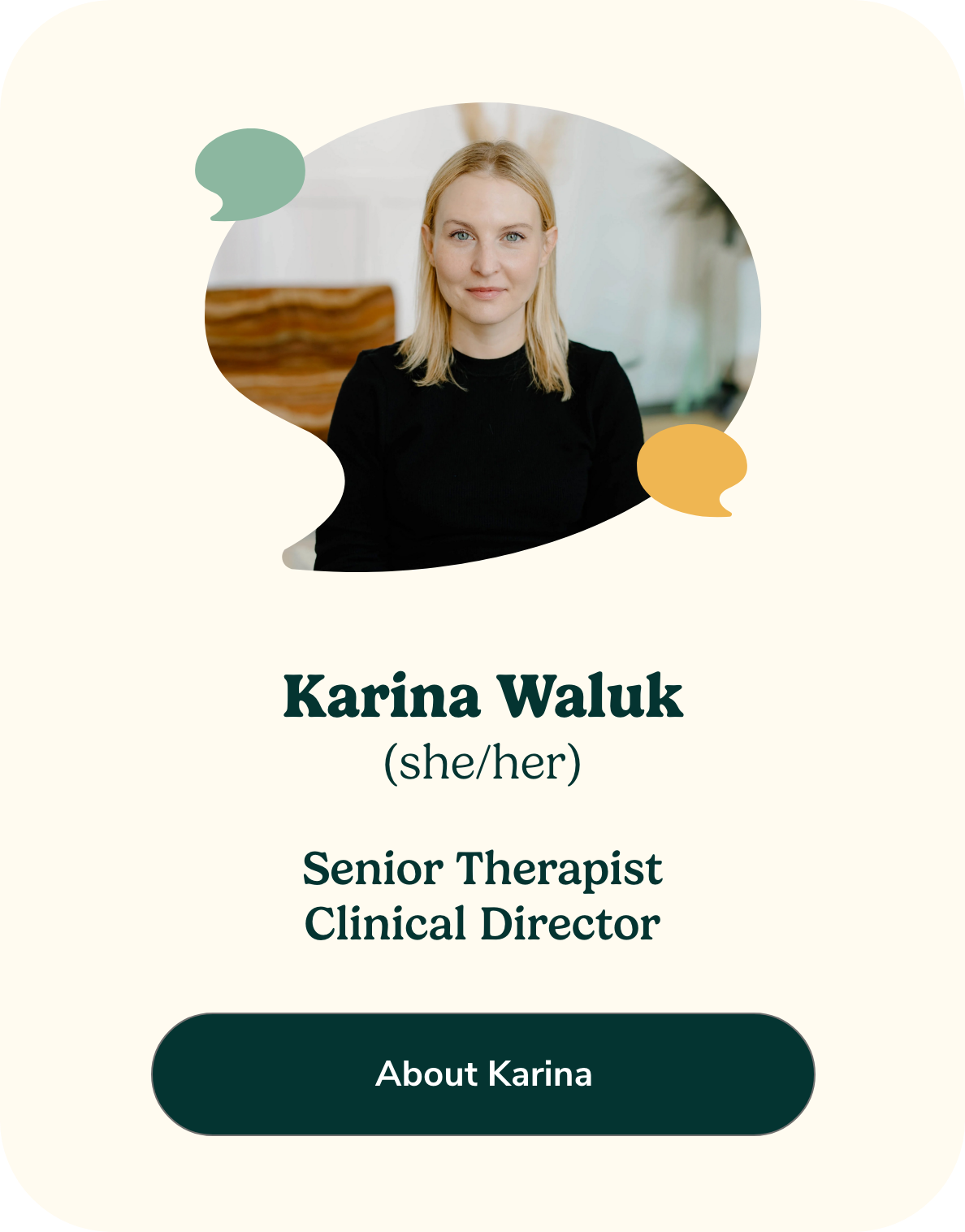
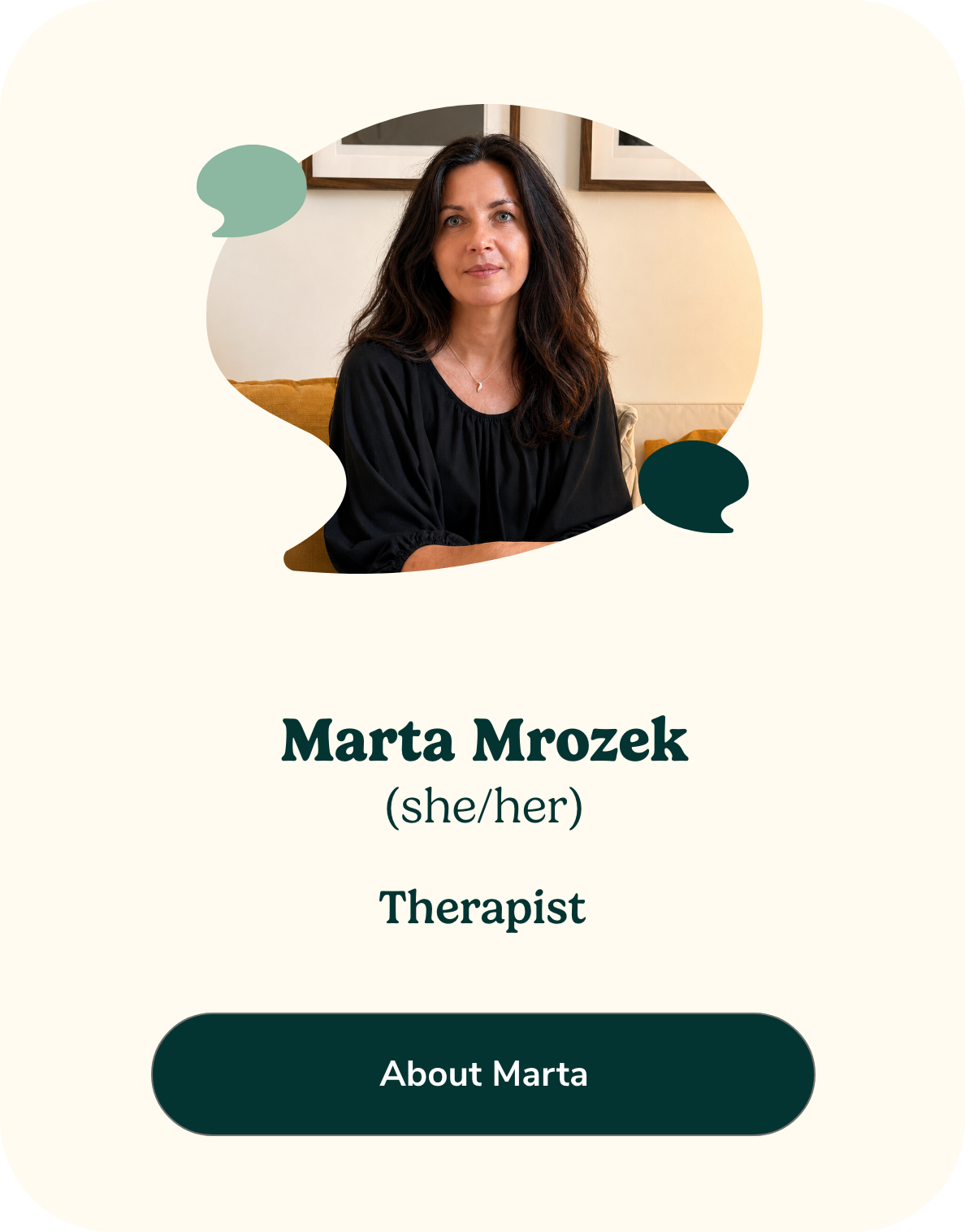
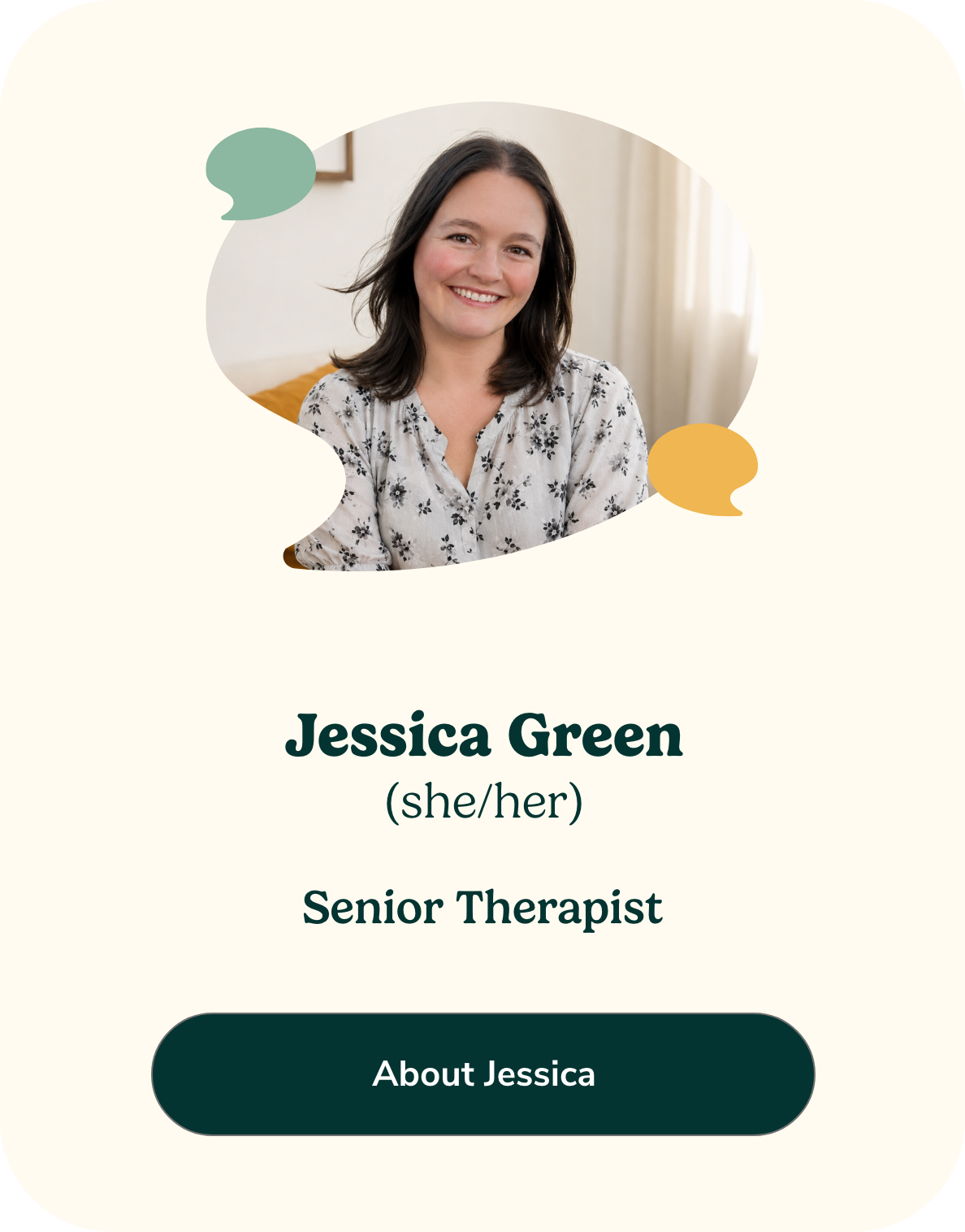
Attachment-based therapy at Noema is offered by: Karina Waluk, Marta Mrozek, Jessica Green

Is attachment-based therapy right for me?
It may suit you if your struggles centre on relationships, if you notice the same dynamics showing up with different people, or if you want to understand how your history shapes the way you connect now.
Attachment-based therapy in Little Portugal and across Ontario
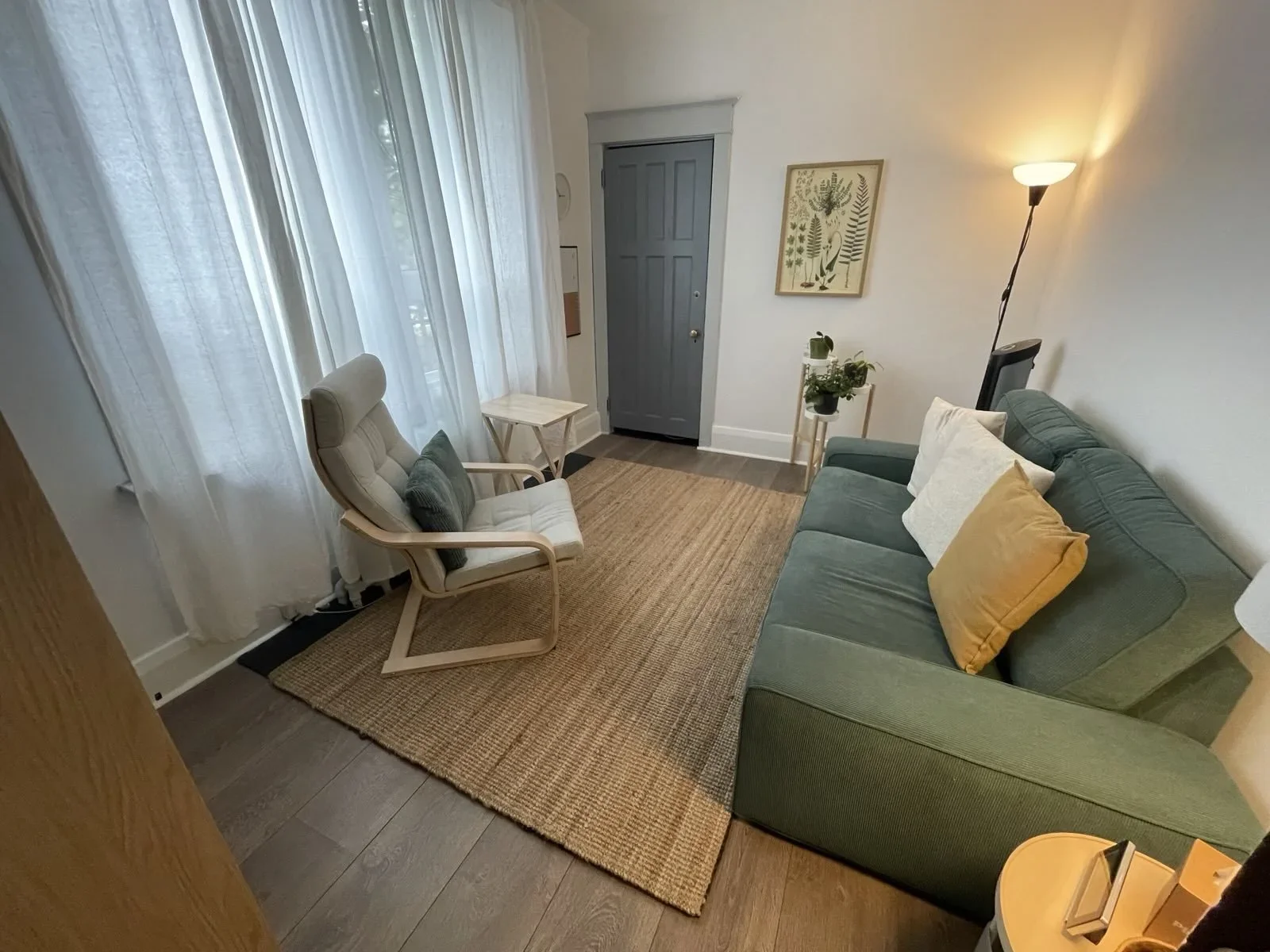
Our office is at 1364 Dundas Street West in Little Portugal, between Ossington Avenue and Dufferin Street — steps from Brockton Village and a short walk to Dufferin Grove and Trinity Bellwoods. We're on the 505 Dundas streetcar line and near the 29 Dufferin bus, and Parkdale and Roncesvalles are a quick ride away. Or meet online from anywhere in Ontario.
FAQs
-
Attachment styles (often described as secure, anxious, avoidant and disorganized) are broad patterns in how people handle closeness and distance. They're useful shorthand, but real people are more complicated than any label, and your patterns can shift in different relationships.
-
Yes. Research on earned security shows that adults can develop more secure ways of relating, often through consistent, attuned relationships, including therapy.
-
No. Attachment-based therapy is usually individual. For couples, see our EFT page, which is built on attachment science.
Here’s How to Connect
Fill out the form to schedule your free 20-minute intro call to explore how therapy can support you. We’ll help you get matched with the right therapist for you.
Email us with any questions you might have.
To book an appointment via JaneApp use the link below.

Book your free 20-minute intro call today. Schedule at your convenience.
Schedule Your Free Consultation
Reaching out is usually the hardest part. From here, things get simpler.
Fill out the form below and one of us will be in touch within one business day, usually the same day. No pressure, no commitment. Just a conversation.