


Somatic Therapy in Toronto

You already know why you get anxious before presentations. You can explain exactly where your fear of conflict comes from. And none of that understanding has made your shoulders drop or your stomach unclench. That's not a failure of insight. It's a sign that the pattern lives somewhere insight doesn't reach on its own: the body.
Somatic therapy is the heart of how we work at Noema. We offer it in person in Little Portugal and virtually across Ontario.
Somatic Therapy

Somatic Therapy
Somatic therapy (from soma, Greek for "body") treats the body as part of the therapy rather than just the thing carrying you to the session. Alongside talking, you and your therapist pay attention to what happens physically — breath, posture, tension, impulses to move or freeze — and work with those responses directly.
The goal isn't relaxation for its own sake. It's widening your window of tolerance: the range in which you can feel strong things without being flooded or shutting down.

Where it comes from
Somatic therapy draws on several traditions. Peter Levine's Somatic Experiencing grew from observing how animals discharge stress after a threat passes. Pat Ogden's Sensorimotor Psychotherapy integrated body awareness into attachment and trauma work. Developments in affective neuroscience and interoception research have since helped explain why bottom-up approaches — starting with sensation rather than thought — can shift patterns that top-down talking alone doesn't.
The research base is still growing, and that’s important to note, it’s also why we weave somatic approaches into more established therapeutic modalities vs offer it as a standalone treatment..

The science behind somatic therapy
Your nervous system is always asking one question: am I safe? When the answer is no, it acts before you've had time to think. It gets you ready to fight or flee, or, when neither is possible, it shuts you down into freeze. These responses protect you, and they're meant to be temporary. But after trauma or long stretches of stress, the body can stay braced long after the threat has passed. That lingering activation can show up as chronic tension, anxiety, exhaustion, numbness, or a startle response that fires at the wrong moments.
Somatic therapy sessions focus on:
Completing the stress response: gently approaching the sensations tied to distress, so the body can finish what it started and let the activation settle instead of holding on to it.
Regulating the nervous system: helping your body move out of hyperarousal (wired, on guard) or hypoarousal (flat, shut down) toward a steadier middle.
Deepening the felt sense: learning to notice the subtle signals your body sends, so emotions can be processed and integrated instead of managed from a distance.
The brain and body are in constant conversation, and much of it happens below conscious thought. When your nervous system learns, through repeated experience, that it can feel something difficult and come back, emotional stability and resilience follow. That isn't because you've convinced yourself you're safe. It's because your body has had the experience of being safe.
How somatic therapy works
Sessions look like conversation, with more pauses. Your therapist might:
Pendulate — move attention between something activating and something steadying, teaching your nervous system it can come back.
Track sensation — "What do you notice in your body as you say that?"
Titrate — approach difficult material in small doses, so your system can take it in rather than bracing against it.
Resource — find what already helps you feel grounded (a memory, a person, the weight of your feet) and strengthen it.
Complete responses — let a movement the body wanted to make, like pushing away or turning toward, finally happen.
Nothing is forced, and you don't need to be "good at" feeling your body. Many people start out noticing very little. That changes.

What somatic therapy can help with
Trauma, including experiences you don't remember clearly
Chronic anxiety and a constant sense of being "on"
Burnout and exhaustion that rest doesn't fix
Chronic pain and illness
Feeling numb, disconnected or "in your head"
Panic, startle responses, trouble sleeping
ADHD-related overwhelm and dysregulation
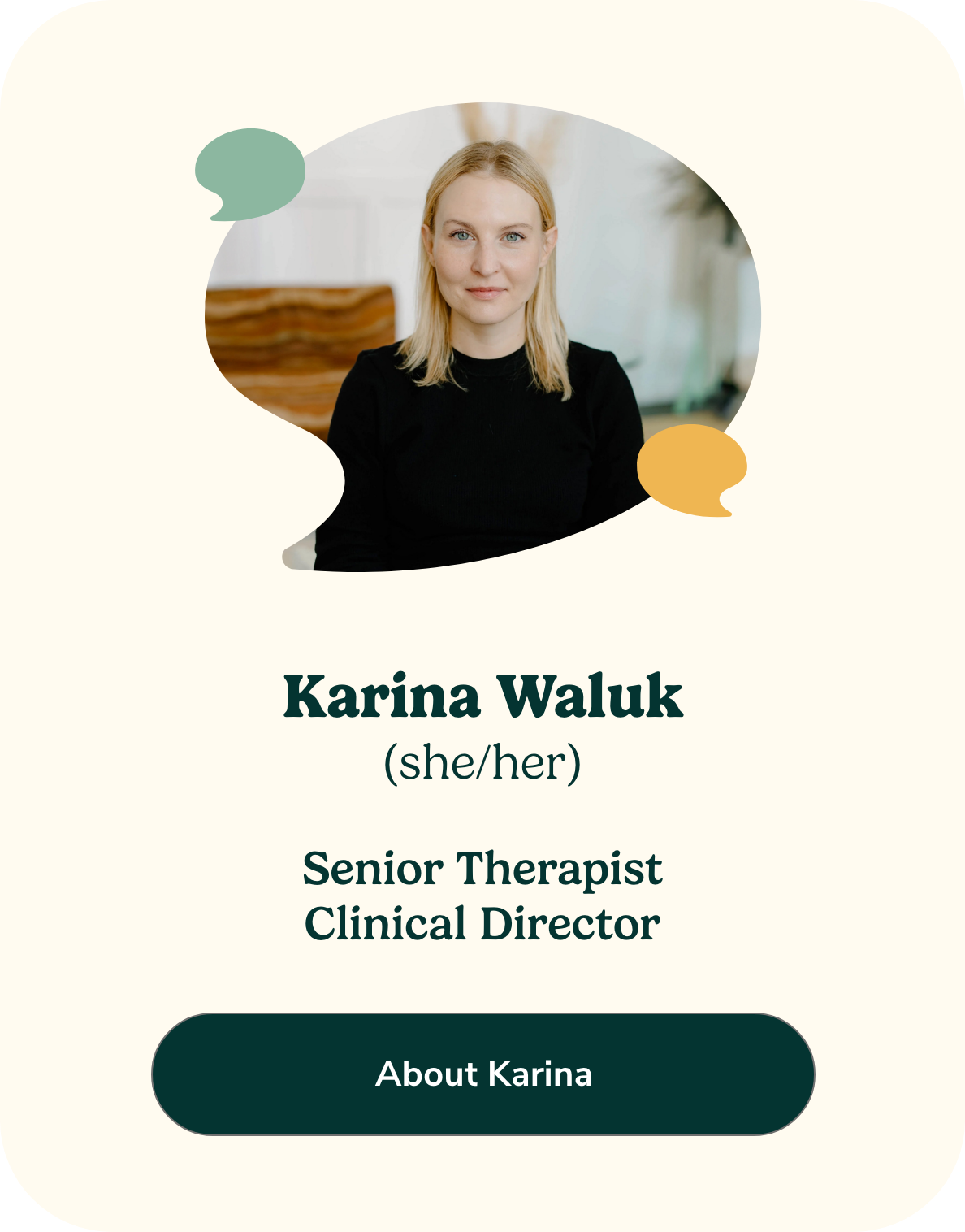
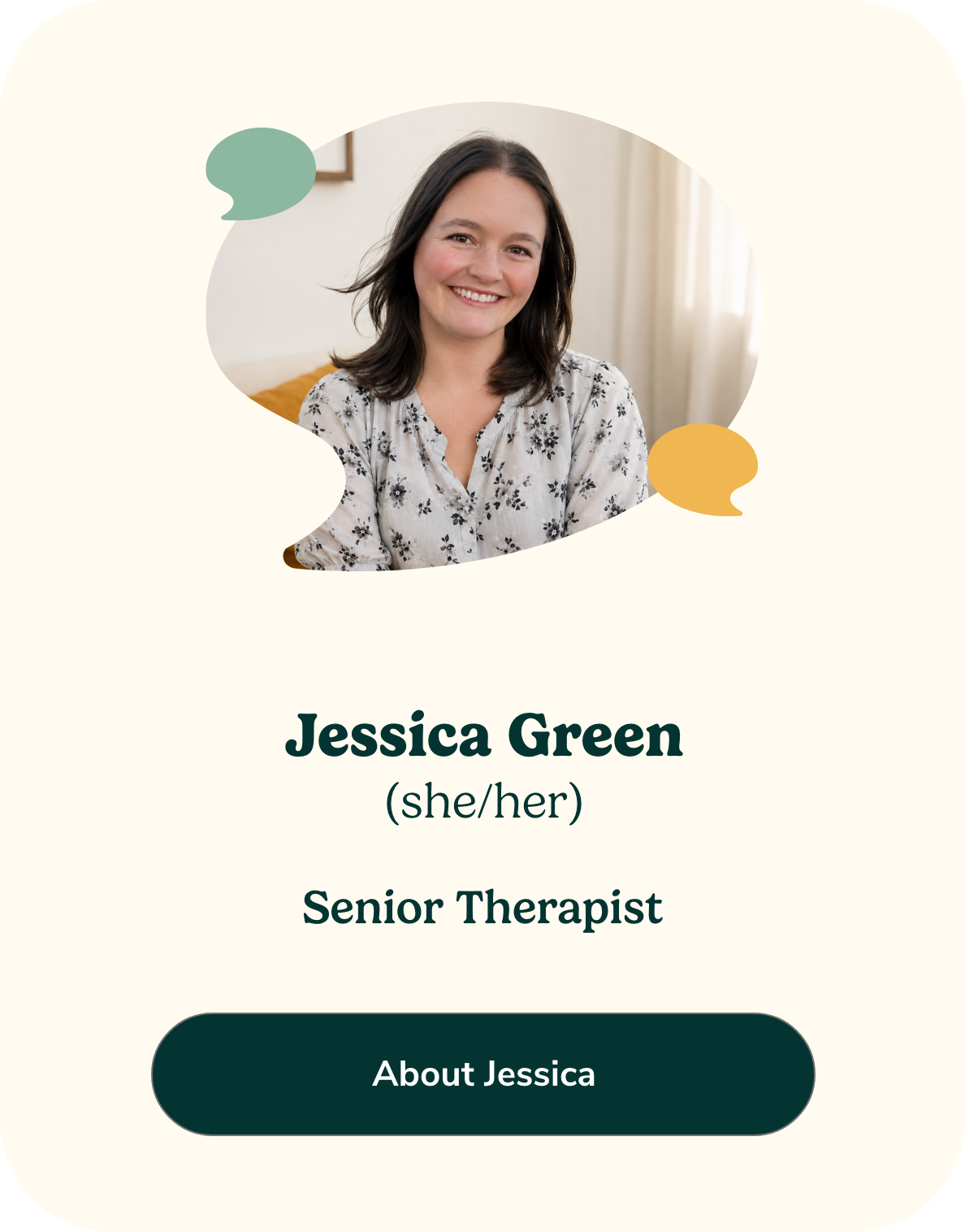
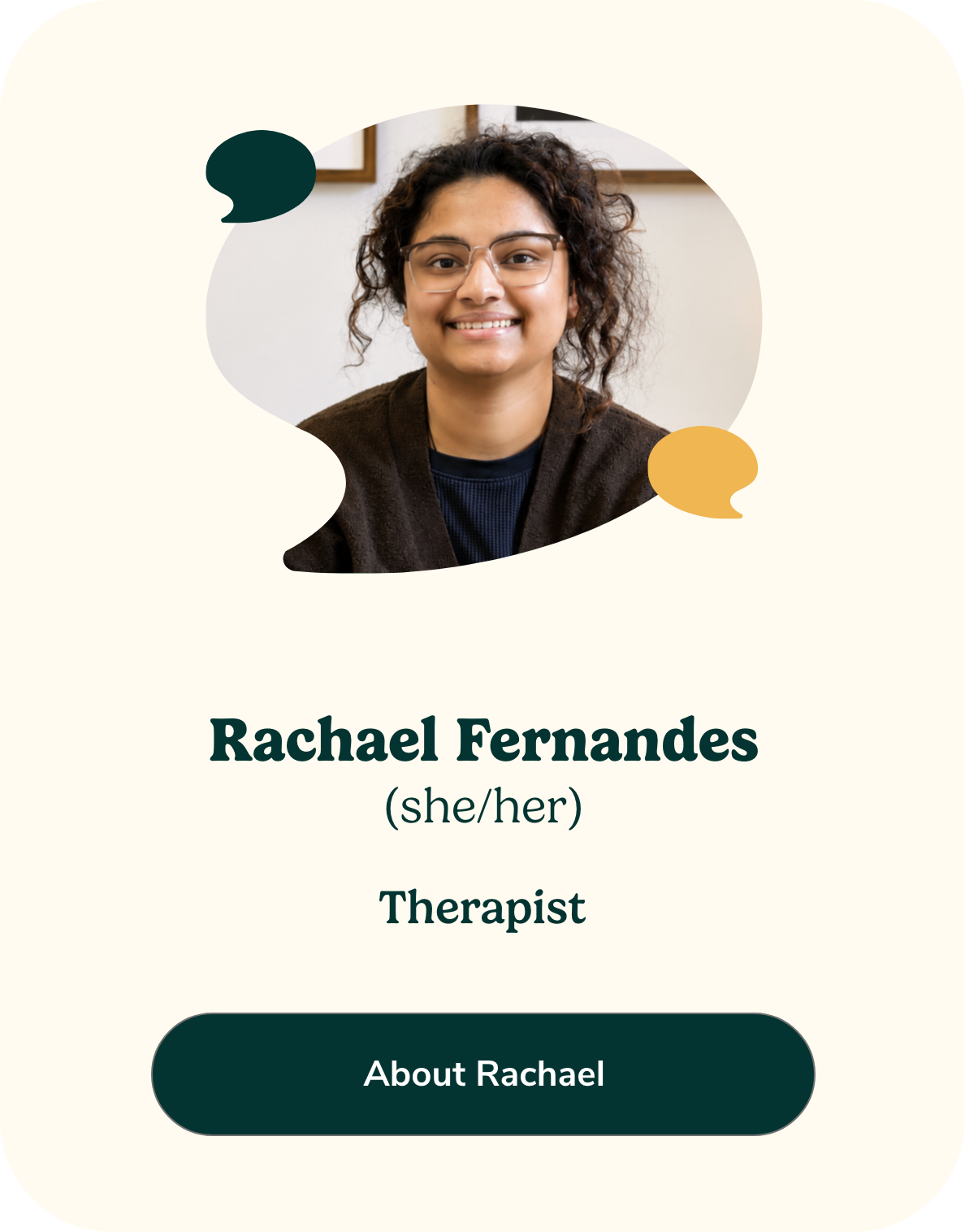
IFS at Noema is offered by

Is somatic therapy right for me?
It may be a good fit if you've done talk therapy and understand your patterns but still feel stuck in them, or if your distress shows up physically. If paying attention to your body feels unsafe right now, that's worth telling us — it's useful information, and we go slowly.
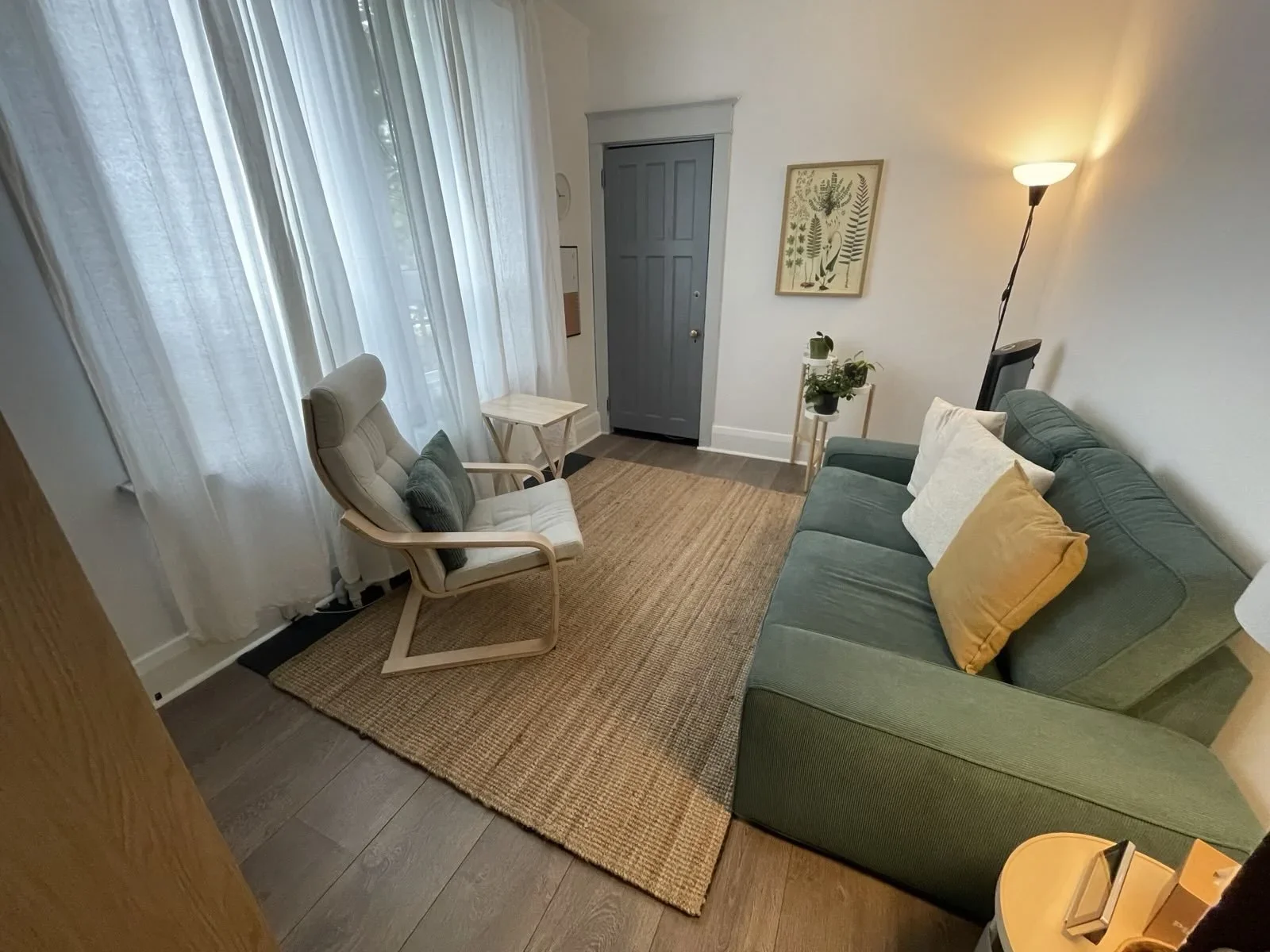
Somatic therapy in Little Portugal and across Ontario
Visit us at 1364 Dundas Street West, on the 505 streetcar and close to Trinity Bellwoods, Parkdale and Roncesvalles. Somatic therapy also works online: working from your own space can make it easier to notice what your body is doing.
FAQs
-
No. Our therapists work through awareness, breath, posture and movement — not touch.
-
Yes. Your therapist guides your attention and watches for shifts in breath, posture and expression. Many people find it easier at home.
-
Very common, especially after long periods of stress. Noticing numbness is where we start.
-
No. Anyone whose stress lives in their body — which is most people — can benefit.
Here’s How to Connect
Fill out the form to schedule your free 20-minute intro call to explore how therapy can support you. We’ll help you get matched with the right therapist for you.
Email us with any questions you might have.
To book an appointment via JaneApp use the link below.

Book your free 20-minute intro call today. Schedule at your convenience.
Schedule Your Free Consultation
Reaching out is usually the hardest part. From here, things get simpler.
Fill out the form below and one of us will be in touch within one business day, usually the same day. No pressure, no commitment. Just a conversation.